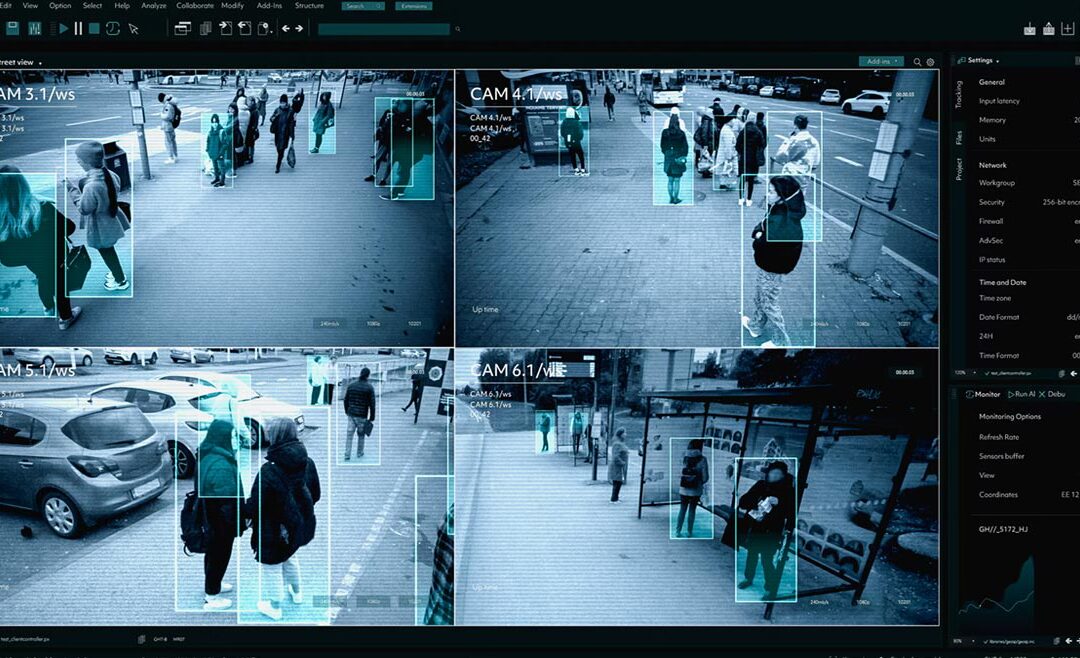
In the realm of surveillance, artificial intelligence (AI) trends are undergoing a paradigm shift towards proactive threat detection. This evolution transcends the limitations of passive recording, embracing real-time, AI-driven analytics.
Key advancements in this domain include edge computing, which enables cameras to process data on-device, thereby mitigating latency. Furthermore, advanced computer vision technology facilitates object and behavior recognition, while the integration of IoT sensors plays a crucial role in minimizing false alarms.
Key Trends in AI Surveillance (2025–2026)
Edge AI Computing: Cameras, such as those discussed in a Techelectronics article, now incorporate onboard AI processors. This innovation reduces bandwidth consumption and enables instantaneous alerts for anomalies, such as loitering or safety violations.
Proactive Threat Detection & Predictive Analytics: AI systems analyze behavioral patterns to anticipate potential incidents before they escalate. This approach replaces the manual review of recorded footage, providing a more proactive security posture.
Deep Search & Metadata Tagging: Security operators can efficiently search through extensive footage by filtering for specific attributes, such as “person with red shirt” or “vehicle, blue sedan.”
Facial Recognition & Biometrics: The adoption of facial recognition and biometrics is expanding globally, particularly in law enforcement agencies in the United Kingdom and India. These technologies facilitate the identification of persons of interest in crowded areas, as reported by the International Bar Association.
Multimodal AI Integration: Surveillance systems now often combine video with audio (e.g., gunshot detection) and other IoT sensor data (e.g., thermal sensors) to provide a comprehensive security assessment.
Cloud-Based Platforms: The Grand View Research report underscores a significant surge in cloud adoption for surveillance, primarily driven by the imperative for scalability, remote access, and cost-effectiveness.
Key Applications
Safety & Compliance: Automated monitoring for Personal Protective Equipment (PPE) in industrial environments.
Retail & Business Intelligence: Monitoring for suspicious activity and analyzing customer foot traffic.
Public Safety: Utilizing artificial intelligence (AI) to mitigate crime in urban areas by an estimated 30–40% and expedite emergency response times.
Ethical and Legal Concerns
Privacy & Bias: There is an increasing concern regarding the potential for bias in facial recognition and surveillance systems, as elucidated in a Brookings article.
Data Protection & “Black Box” Challenges: The lack of transparency in the decision-making processes of AI systems (referred to as the “black-box problem”) poses risks of false accusations and necessitates “human-in-the-loop” systems, according to Stanford HAI and the International Bar Association.
Surveillance Overreach: AI facilitates mass tracking in public spaces, raising concerns about the improper utilization of technology for surveillance, particularly in authoritarian regimes.