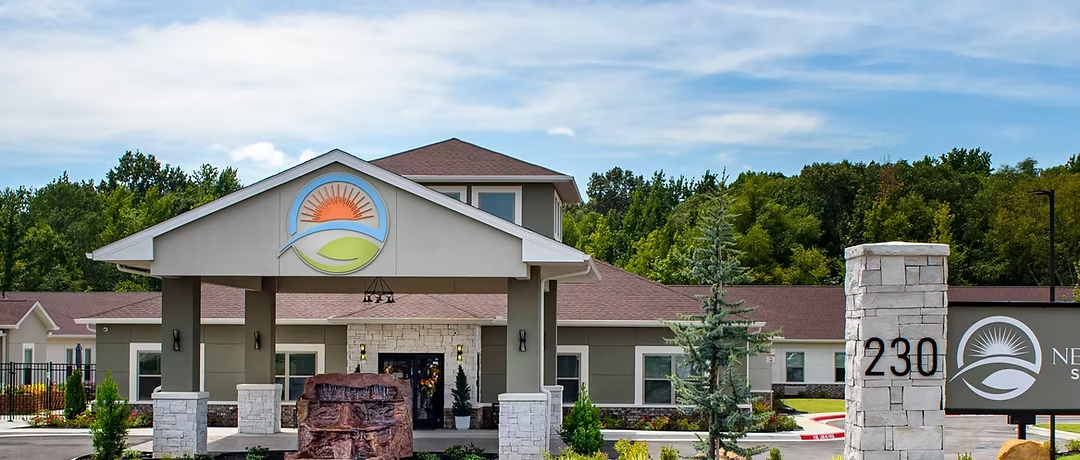
The installation of Wi-Fi in assisted living facilities is crucial for enhancing the quality of life of residents, promoting mental well-being through social connections, and facilitating access to modern healthcare services. It supports tele-health services, improves operational efficiency for staff, and meets the high expectations of contemporary seniors who seek streaming, social media, and smart home technology.
Key Reasons for Wi-Fi in Assisted Living:
- Combating Isolation and Improving Mental Health: High-speed, reliable Wi-Fi enables residents to maintain connections with friends and family through video calls (Zoom, Skype) and social media, thereby mitigating feelings of loneliness.
- Telehealth and Healthcare Access: Residents can access virtual doctor appointments and manage their health remotely, providing essential convenience and safety.
- Safety and Smart Technology: Facility-wide Wi-Fi supports Internet of Things (IoT) devices, such as wearable sensors that monitor vital signs, alert staff to emergencies (e.g., falls), and monitor resident activity for safety.
- Entertainment and Independence: Residents can stream movies, access online news, engage in digital hobby content, and utilize smart home devices like Alexa to manage their environment, thereby supporting independence.
- Operational Efficiency and Staff Efficiency: Staff can utilize tablets and computers for real-time electronic health record updates, medication management, and efficient communication, leading to improved care.
- Attracting New Residents: Modern, technology-oriented amenities, including reliable Wi-Fi, are highly valued by families selecting a care facility, thereby providing a competitive advantage.
Managed Wi-Fi Benefits:
Implementing a managed, building-wide Wi-Fi solution ensures seamless, secure, and instantaneous internet access for residents, eliminating the inconvenience of setting up individual service contracts and routers.