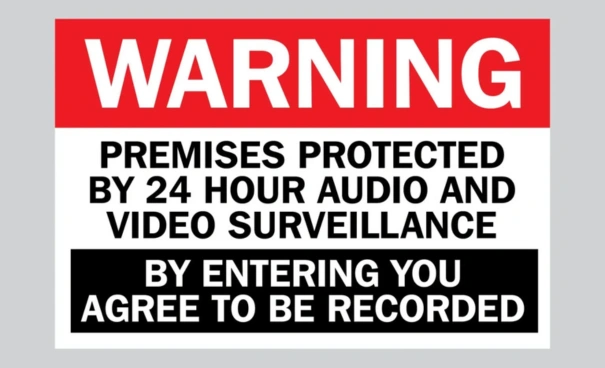
CCTV video recording is generally legal in public and on your own property, provided it avoids spaces where there is a "reasonable expectation of privacy" (like bathrooms or bedrooms). Audio recording, however, is heavily restricted by federal and state wiretap laws, which require either one-party or all-party consent to legally record conversations.
Video Surveillance Laws
Public Areas: It is entirely legal to use CCTV cameras to record public spaces, streets, and areas visible from the outside of your home.
Private Property: You have the right to film your own property, including your backyard, but you must ensure cameras are not pointed directly into a neighbor’s windows or private spaces where they have a reasonable expectation of privacy.
Workplace & Commerce: Businesses and employers can use video surveillance in common areas (break rooms, hallways, entrances) but should never record in private dressing rooms, locker rooms, or bathrooms.
Audio Recording Laws
Unlike video, audio recording is governed by strict state and federal wiretapping laws, including the Federal Wiretap Act. Intercepting private conversations without legal consent can result in criminal penalties.
One-Party Consent: Permitted in most states. This means as long as you are one of the people in the conversation being recorded, you do not need to notify the other person.
Two-Party (All-Party) Consent: Requires everyone involved in the conversation to be aware of and consent to the recording. States with these stricter laws include California, Florida, Illinois, Maryland, Michigan, and Pennsylvania.
Uninvolved Third-Party Recording: Even in "one-party consent" states, it is illegal to use a hidden microphone to eavesdrop on a conversation between two other people who do not know they are being recorded.
Recommended Practices
Because voices easily carry outside a home, outdoor cameras (like video doorbells) that record continuous audio can become legal liabilities. Many smart-home owners choose to disable audio recording features on outdoor or exterior cameras entirely to maintain compliance.
To make sure your security system setup strictly adheres to local and federal standards:
Consult official guidelines: Review detailed breakdowns of video and audio surveillance by state.
Verify specific property rights: Check laws for your specific jurisdiction.
For tips on how to balance your security needs while respecting the privacy and legal rights of others and avoiding eavesdropping liabilities consult a professional